
How to Choose Restaurants with Halal Curry
- shurzomartltd
- Jun 20
- 6 min read
You can usually tell within a few minutes whether a curry house takes halal dining seriously. It shows up in the confidence of the menu, the clarity of the staff, the care in the kitchen, and the way flavour is treated as heritage rather than an afterthought. For people searching for restaurants with halal curry, that distinction matters. You are not only choosing a place to eat. You are choosing trust, tradition, and the kind of meal that brings people together properly.
In London, there is no shortage of curry on offer. What is harder to find is a restaurant that balances halal requirements with genuine depth of flavour, cultural authenticity, and the warmth of real hospitality. A good meal should feel welcoming from the first glance at the menu to the last spoonful of sauce.
What makes restaurants with halal curry worth seeking out
Halal dining is often spoken about as if it is only a technical question of sourcing, but for many families and diners it is tied to comfort, community, and confidence. When a restaurant serves halal curry with care, it removes uncertainty and lets everyone at the table focus on the food, the company, and the occasion.
That matters whether you are planning a quiet weeknight takeaway, meeting friends for a relaxed dinner, or arranging a larger celebration. The best restaurants understand that halal is not a niche preference to be fitted around the edges of the menu. It should be handled clearly and respectfully.
At the same time, halal alone does not guarantee a memorable curry. The quality of the spices, the balance of the sauce, the patience of the cooking, and the knowledge behind each dish all shape the experience. A restaurant can tick the halal box and still serve something flat, overly oily, or generic. That is why discerning diners look for more than a label.
How to spot quality in restaurants with halal curry
The first sign is transparency. A strong restaurant is clear about which dishes are halal and how the kitchen handles preparation. If the menu is vague and staff seem unsure, it can leave diners doing guesswork they should not have to do.
The second sign is menu confidence. Restaurants rooted in Bangladeshi and Indian cooking tend to offer curries with distinct identities rather than a long line of near-identical sauces with different proteins dropped in. You should see variety in texture, spice profile, and regional influence. A proper bhuna should not eat like a korma, and a house special should have a personality of its own.
The third sign is the aroma and finish of the food. Freshly ground spices have a livelier character. You notice it in the warmth of cumin, the brightness of coriander, the rounded depth of turmeric, and the gentle lift of chilli when used with care. Curry should taste layered, not simply hot.
This is where authenticity really separates one restaurant from another. Heritage-led cooking often carries a steadiness that trendy places cannot imitate. It comes from recipes that have been cooked repeatedly, adjusted by instinct, and respected across generations.
Halal curry is not one flavour
One of the biggest mistakes diners make is treating curry as a single category. In reality, halal curry can range from rich and slow-cooked to bright and fiery, from creamy and mild to deeply savoury and full of roasted spice. The better the restaurant, the more clearly those differences come through.
A family meal, for example, may call for variety across the table. One person may want the gentle sweetness of a korma, while another is looking for the fuller spice of a jalfrezi or the depth of a bhuna. Good restaurants make space for both without making either feel second-rate.
That range is especially important in neighbourhood restaurants, where diners are not all chasing the same experience. Some want a familiar comfort meal after work. Others want to try something closer to what they grew up with at home. Others are discovering South Asian food more seriously for the first time and want guidance without feeling out of place.
A welcoming restaurant understands all three.
Why spice sourcing changes the whole meal
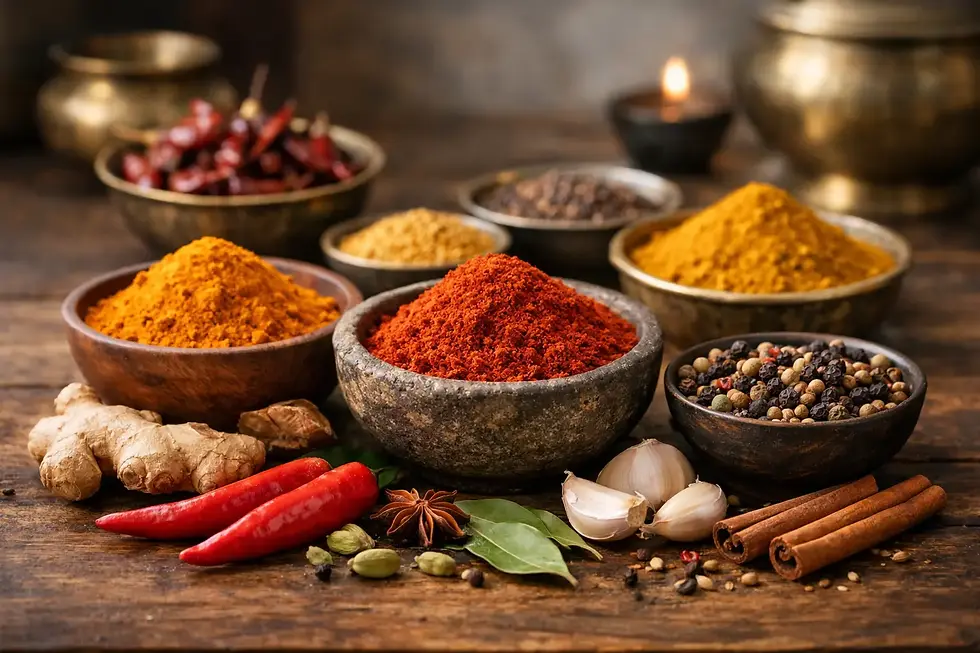
People often talk about spice as if it is only about heat. It is not. Spice is aroma, colour, body, and memory. Where spices come from, how they are stored, and whether they are ground properly all affect the final dish.
That is why restaurants with a real connection to origin often stand out so clearly. When spices are sourced with care and handled with knowledge, curries feel fuller and more alive. The sauce carries depth instead of heaviness. The flavour lingers in a pleasing way rather than sitting on the palate as one-dimensional heat.
For diners who know Bangladeshi and Indian food well, this difference is obvious. For those newer to it, it is often the moment they realise how much better a curry can be when it is treated with respect.
In a place like Camberwell, where locals value both quality and convenience, that balance matters. People want food that feels honest. They want dishes that are suitable for a quick order on a busy evening but still have enough soul to make the meal feel special.
Dine in, takeaway, or delivery - the experience should still hold up
Restaurants with halal curry are often judged differently depending on how people order. A dish that works beautifully in a dining room may lose something in transit if it is not prepared and packed thoughtfully. Equally, a restaurant that is excellent for takeaway may not always offer the same atmosphere for a sit-down evening.
The strongest neighbourhood restaurants manage both. They serve curries that arrive with their texture intact, rice that stays light, breads that still have character, and portions that feel generous rather than careless. If a restaurant can do that consistently, it usually says something good about the standards in the kitchen.
For group meals, the equation changes again. Variety becomes more important. So does reliability. You need a menu broad enough to please different tastes, clear enough for guests with halal requirements, and comforting enough to satisfy people who simply want excellent food without fuss.
That is one reason a heritage-led local restaurant can become part of people’s routines. It is not only a place for a special booking. It is the place you trust on ordinary evenings, family gatherings, and the moments in between.
What authenticity feels like at the table
Authenticity is often overused in restaurant writing, but diners know when it is real. It is there in the balance of spices, in the confidence of traditional dishes, and in the hospitality that makes guests feel at ease rather than marketed to.
A truly authentic halal curry restaurant does not need to overexplain itself. The food does the work. You taste recipes that feel rooted. You sense a connection to place, family, and memory. Even if the setting is modern and accessible, the cooking carries something older and more grounded.
That feeling is powerful for members of the Bangladeshi and wider South Asian diaspora, who may be searching for flavours that remind them of home. It is just as meaningful for London diners who want something more honest than a generic curry menu. In both cases, authenticity creates trust.
Shurzo’s Restaurant in Camberwell is built around that idea - authentic Bangladeshi and Indian cooking, vibrant spice, and the kind of welcome that suits both everyday dining and bigger occasions.
Choosing the right halal curry restaurant for the occasion
Not every meal asks for the same kind of restaurant. A quick solo order after work may call for speed, reliability, and a dish you know you will enjoy every time. A birthday dinner needs atmosphere, menu breadth, and food that lands well across a group. A family gathering may need space, warmth, and flavours that appeal across generations.
So when you compare restaurants with halal curry, it helps to think about the occasion as much as the menu. Is the food made for sharing? Is there enough choice without the menu becoming unfocused? Can the restaurant deliver authenticity and convenience at the same time?
The best places do not force you to compromise too much. They offer curries with real character, halal clarity, and a service style that feels welcoming rather than hurried. That combination is rarer than it should be.
If you are deciding where to eat next, trust the places that make flavour feel personal. Look for a kitchen that respects halal dining, values tradition, and cooks with enough pride for every curry to taste like it matters. When a restaurant gets that right, the meal does more than satisfy hunger - it gives everyone at the table a reason to come back.


Comments